
Revisit the outfit, not your entire identity
A favorite top can feel different when the colors framing your face change. That is a reason to experiment, not evidence that you have been wearing the wrong clothes. Your comfort, taste, work and lifestyle still matter.
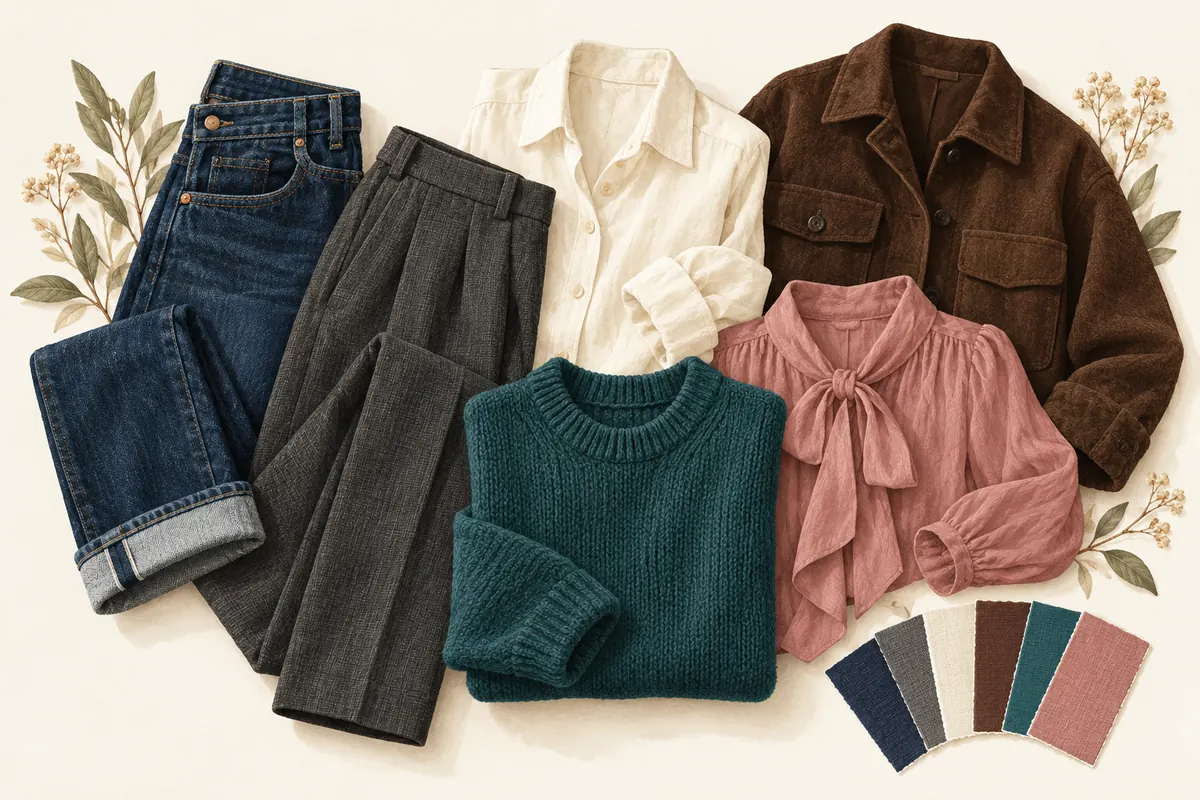
Choose three pieces you already wear often: a familiar neutral, a color you love and an item you have started avoiding. Keep your current hair visible when trying them. The question is which combinations work for your life now, rather than which label your old hair color suggested.
Do not rush to buy an all-silver or pastel wardrobe. Gray hair can be part of many different looks, including strong contrast, quiet tonal dressing and rich colors.
Try changing contrast before changing every color
In seasonal styling, value describes lightness or darkness, while contrast describes differences between colors. The Concept Wardrobe separates these from chroma, or intensity. These distinctions can organize an outfit experiment without assigning a season.
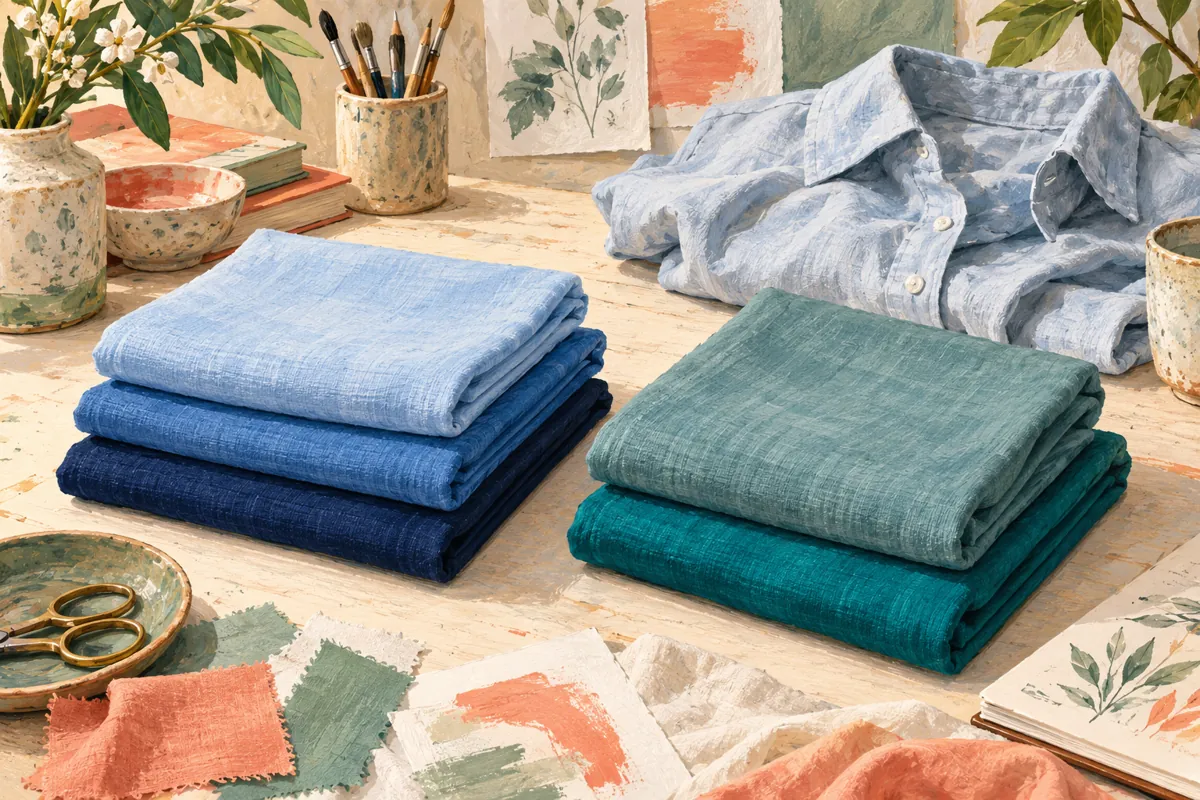
Try the same top with a light scarf, then a deeper scarf. Next, try the top without either. You might prefer a stronger frame around the face, a softer transition, or the simplest version. None of those preferences follows automatically from being gray.
For example, compare a pale gray knit on its own with the same knit under a navy jacket. You are testing the combination, not declaring either garment unsuitable.
A three-outfit closet check
- Keep the foundation. Wear your usual trousers, shoes and everyday makeup, if any.
- Test a familiar neutral. Compare two tops you already own, such as charcoal and cream. Use the actual fabrics rather than their names.
- Add a favorite color. Try a plum cardigan, teal scarf or another shade you personally enjoy. These are ideas, not a prescribed gray-hair palette.
- Check ordinary conditions. Look in the mirror and take a simple reference picture in consistent light.
- Choose what gets worn. Note one outfit you would happily repeat this week.
A garment can stay in your wardrobe even if it is not the winner of a face-framing comparison. You might prefer it layered or simply like it for other reasons.
What if apps give you several different seasons?
Leave the label unresolved while you gather useful outfit observations. Photos, lighting and the chosen comparison can affect what an online tool has to work with. A list of labels is not a reason to scrutinize your face more harshly.
Stylist AI can provide a suggested palette and color combinations to explore. Compare those suggestions with your current clothes; the app does not establish an objectively correct palette for every person with gray hair. If the result feels unhelpful, start with your favorite outfits instead.
Make the next purchase earn its place
Before buying a new color, name two things you already own that it would go with. If you only want a small change, a scarf or layer may be enough. Borrowing or trying on a piece can be more informative than collecting screenshots of ideal palettes.
Keep a short “wear again” list. It is a more useful outcome than a wardrobe clear-out based on a rule that all gray hair needs the same colors.
Common questions
Does gray hair automatically make me a Summer or Winter?
No automatic label is needed to dress well. Compare actual colors with your current hair and preferences instead of assigning a season from hair color alone.
Should I stop wearing beige or brown?
Only if you no longer enjoy them. Try the specific shade with a favorite layer or accent before deciding whether to keep it.
Sources & further reading
Sources checked October 26, 2026. The wardrobe comparisons and outfit ideas are our editorial suggestions, not validated personal diagnostic tests. Sources have not endorsed this article or our app.
Published by the developer of Stylist AI. Our editorial approach · Suggest a correction
← Back to the journal