Use the palette as a direction
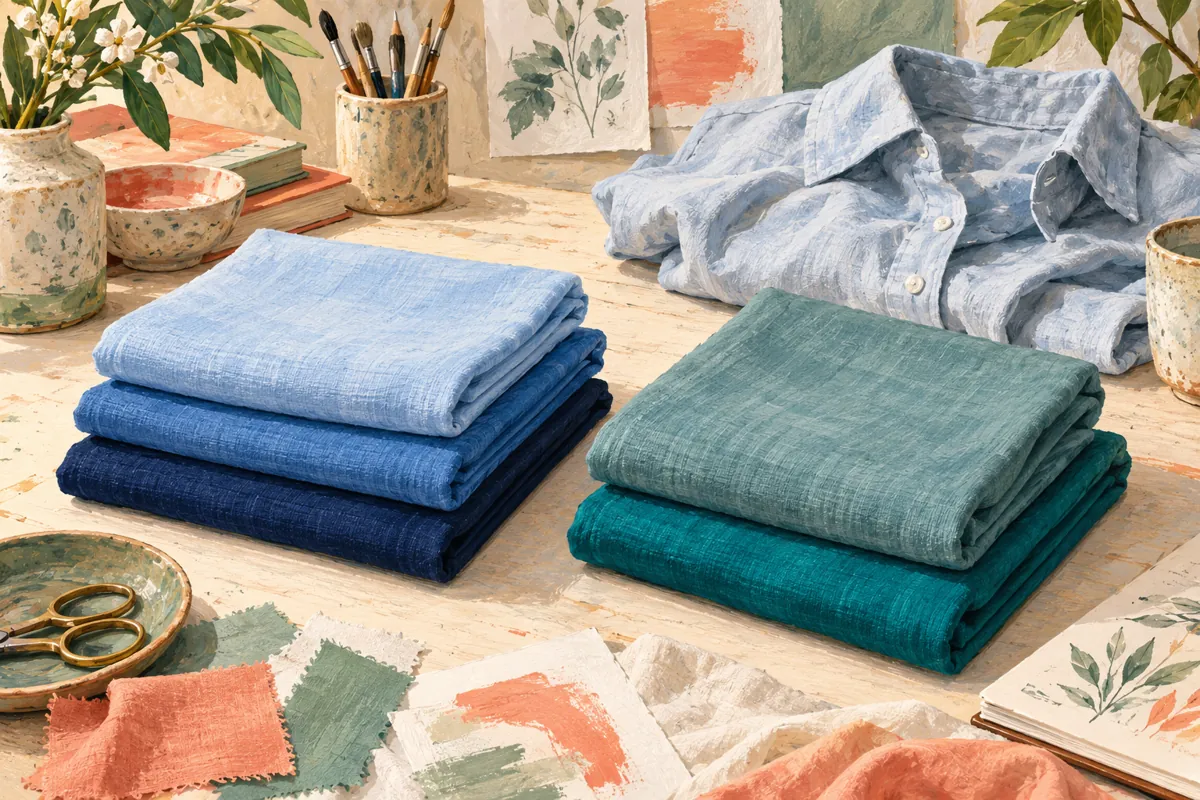
In The Concept Wardrobe’s Dark Autumn framework, depth is central, with warmer color direction and moderate intensity. It also includes lighter shades; “deep” does not mean every item must be dark. Systems differ, so avoid treating a palette as a universal product specification.
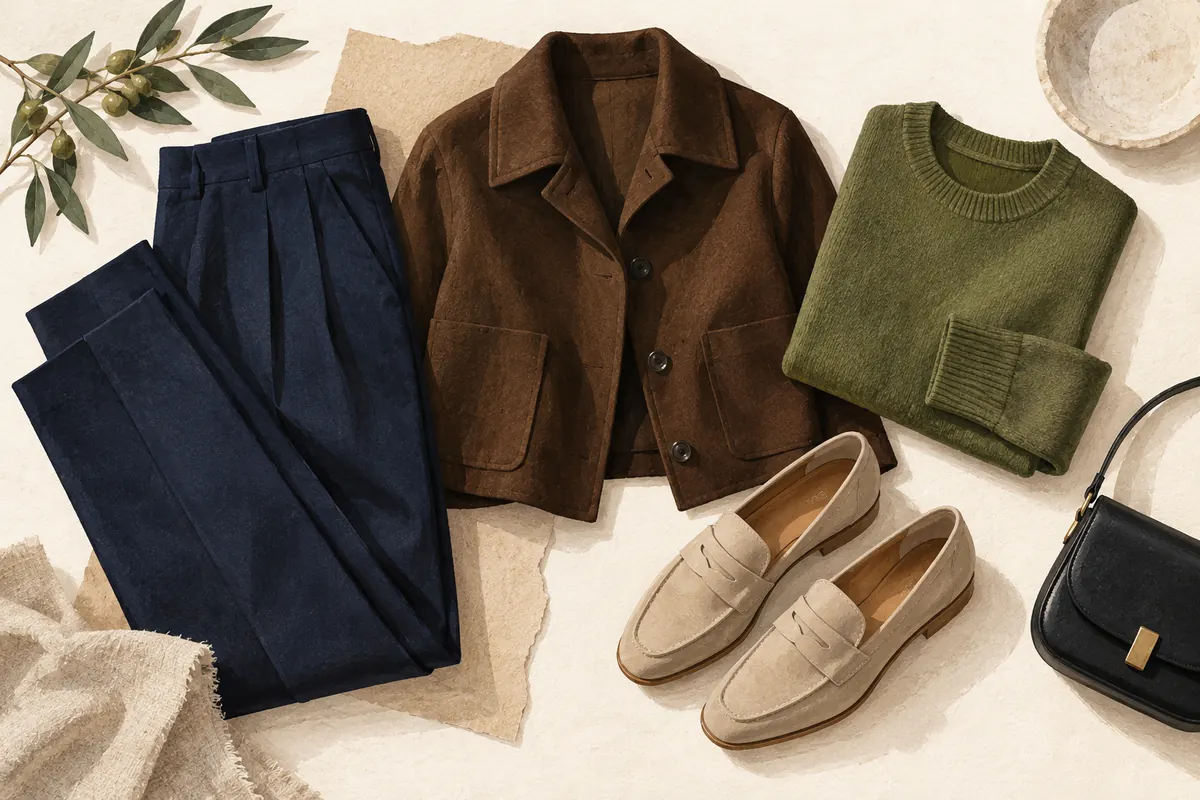
For getting dressed, begin with a few colors you can actually find in your closet. The following combinations are our own styling suggestions. Fabric, finish and the precise shade matter more than a name on a shopping tag.
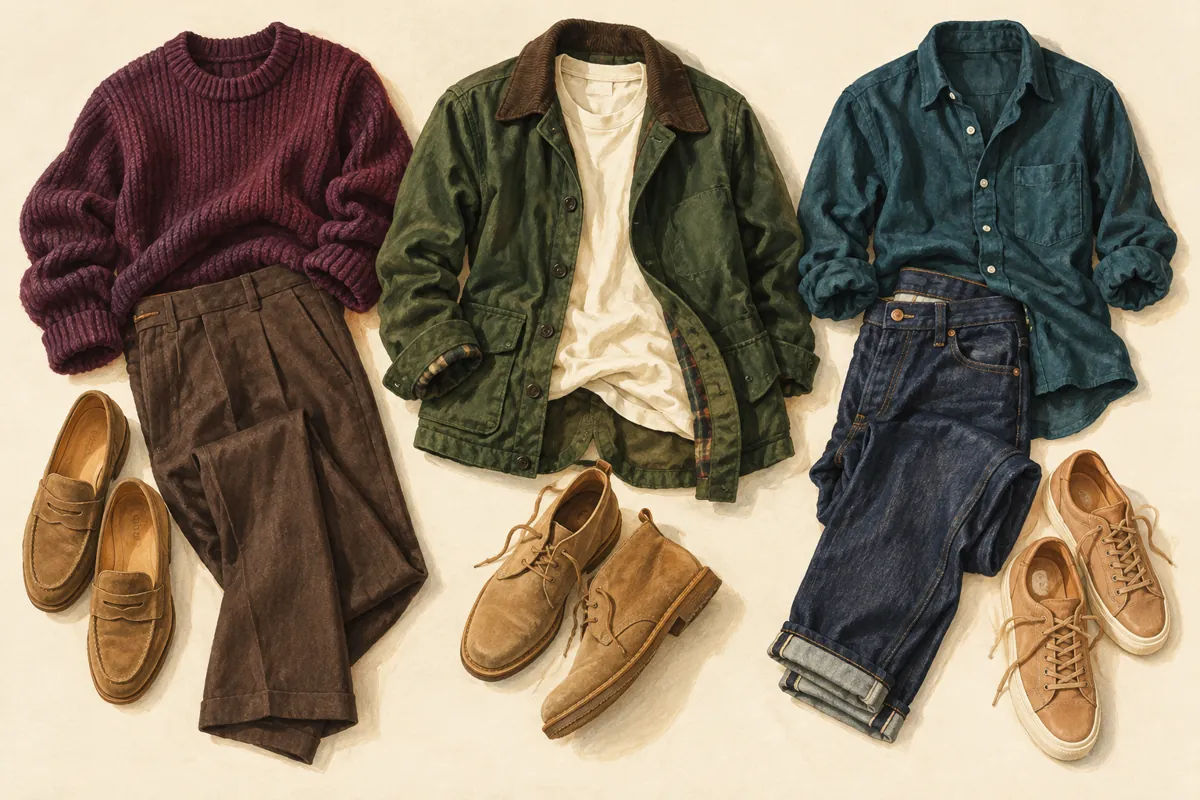
Five combinations to try
| Start with | Add | Try it for |
|---|---|---|
| Espresso trousers | An aubergine knit and tan shoes | A comfortable workday outfit |
| Dark indigo jeans | A deep teal shirt and brown belt | A casual day with one rich color |
| A forest green jacket | A warm ivory top and dark trousers | A lighter detail near the face |
| A chocolate skirt | A deep red top and matching brown shoes | A simple outfit with a strong focal color |
| A dark neutral base | A plum scarf or green bag | A small experiment before buying a new top |
Adapt the garment shapes to your taste. A shirt can become a T-shirt, a skirt can become trousers, and a jacket can become a cardigan. The point is to test the color relationship in something you would wear.
Decide how much contrast you want
Put the outfit on before adding accessories. If it feels too heavy, try one lighter item: a top, collar, scarf or shoe. If the pale detail feels disconnected, try a middle-depth color instead. You do not need to jump from an all-dark outfit to bright white.
For a quieter combination, keep the large pieces similar in depth and change the texture. A deep green knit beside dark denim can feel different from two shiny fabrics even when the color idea is similar. Treat this as an aesthetic choice, not a rule about what your features can handle.
What if most of your wardrobe is black?
Keep it while you experiment. Try a rich-colored top with the black pieces you already use. If you prefer brown in one outfit, that does not make every black garment a mistake.
Replace a staple when you actually need a replacement, then compare the available options. A well-used black coat is usually more useful than an imagined perfect shade that does not fit your climate, budget or style. Our guide to wardrobe neutrals offers more starting points.
Shop for the outfit, then check the shade
Take a picture or note of the outfit you want to complete. Ask whether the new item works with at least two existing pieces. Check it in ordinary light where possible; a product image is not an exact color guarantee.
Stylist AI offers a suggested seasonal palette, combinations and camera-based color comparison. Use those to organize options, then keep the shade you enjoy in person. A match score does not replace fit, comfort or your own preference.
Common questions
Do Deep Autumn outfits have to include orange?
No. You can explore other rich colors and familiar neutrals. A palette is a set of options, not a checklist you must complete.
Can I wear colors associated with Deep Winter?
You can wear any color you enjoy. Compare the specific garment and outfit rather than rejecting it because of a neighboring seasonal label.
Sources & further reading
Sources checked October 26, 2026. The wardrobe comparisons and outfit ideas are our editorial suggestions, not validated personal diagnostic tests. Sources have not endorsed this article or our app.
Published by the developer of Stylist AI. Our editorial approach · Suggest a correction
← Back to the journal