Turn an uncertain label into a smaller question
When you call your undertone neutral, you may mean that both jewelry colors look good, that foundation labels are confusing, or that warm and cool clothes both seem wearable. Those are different observations. Write down which problem you actually want to solve before choosing a season.
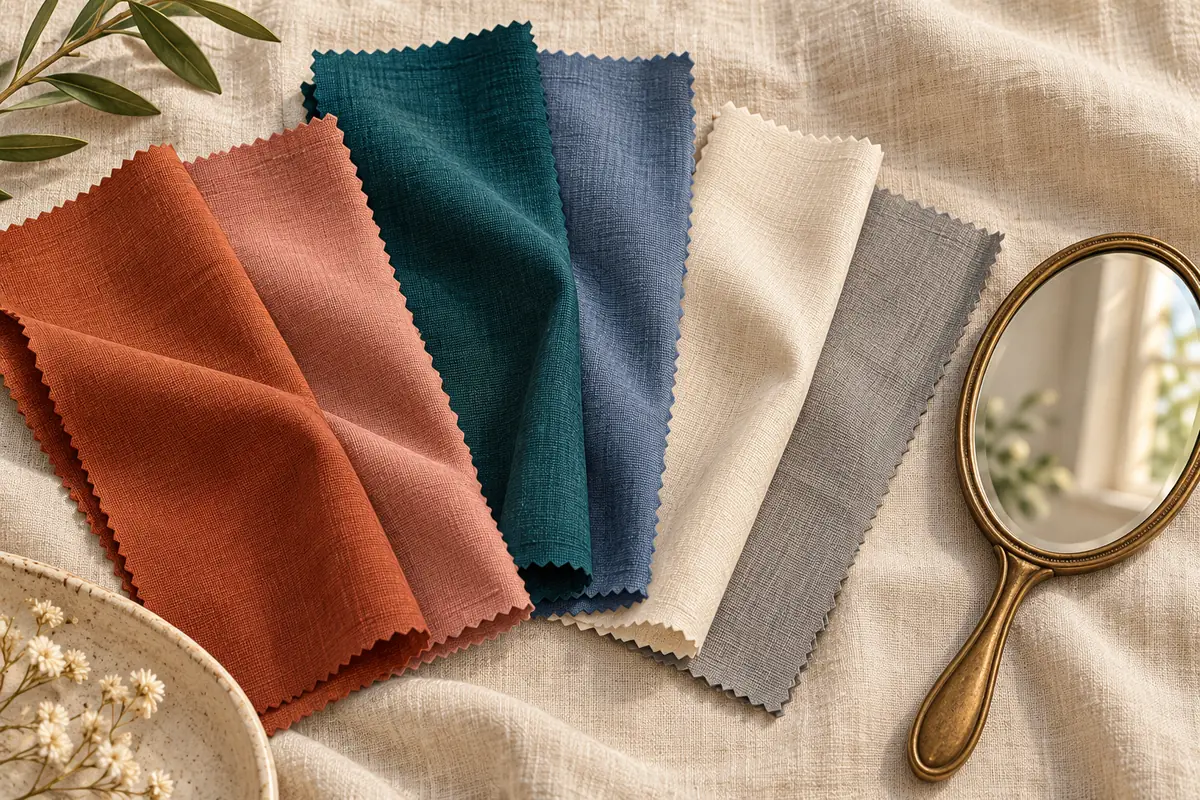
For clothing, the next question can be simple: “Do I prefer this muted rose top or this soft terracotta top?” It does not have to become a claim about every color you can wear. For foundation, compare the actual product in person; a clothing palette is not a shade match.
Compare one color variable at a time
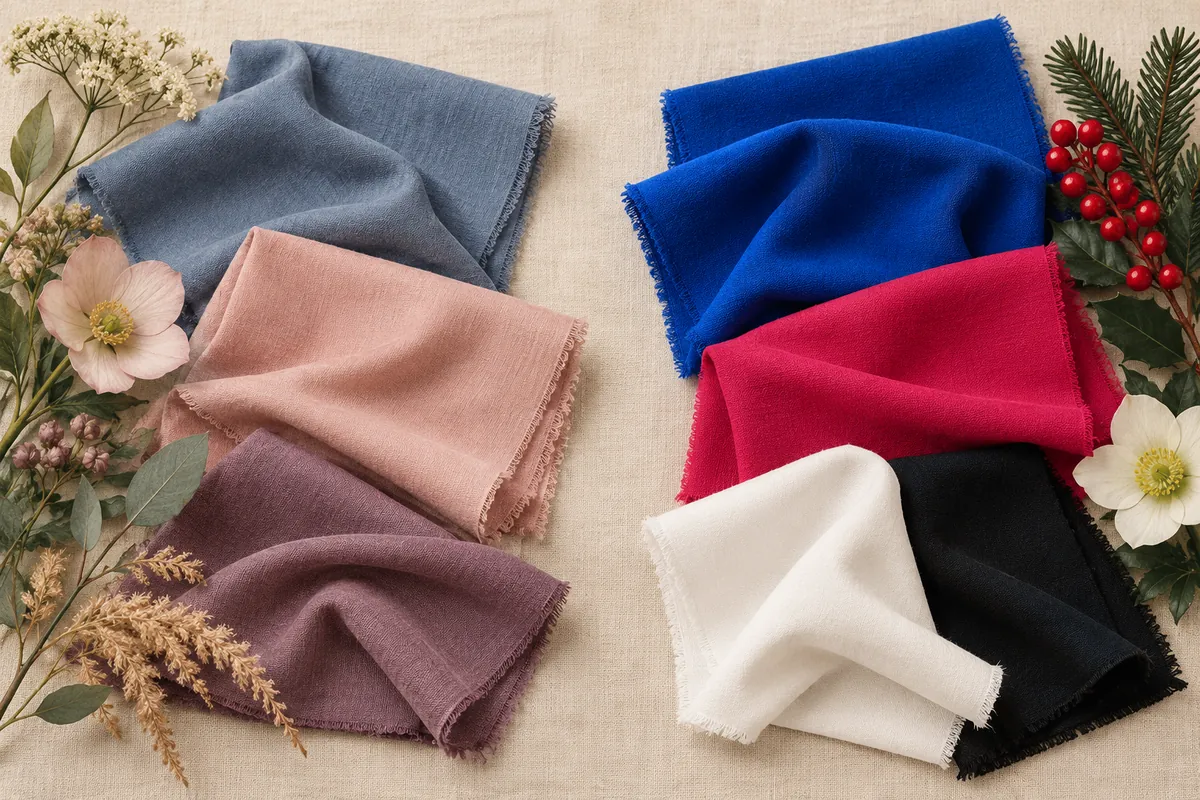
Choose two items with similar lightness, fabric and shape but different warm-cool direction. A muted rose and soft terracotta are one possible pair. A bright orange sweater beside a pale gray blouse changes too much at once to isolate temperature.
| Question | Keep similar | Change |
|---|---|---|
| Warmer or cooler? | Depth and intensity | Warm-cool direction |
| Softer or clearer? | Color family and depth | Intensity |
| Quieter or bolder outfit? | The main top | Contrast with the other pieces |
These are practical comparisons, not laboratory controls. Work with what you own. If two items differ in several ways, note that limitation and describe the whole look you preferred.
Keep the scene steady
Compare in the mirror in steady daylight, then repeat with another color pair. If you photograph the options, keep the lighting and camera settings consistent. Adobe explains that white balance changes how warm or cool an image appears.
Do not compare one filtered selfie with another photo from a different room and expect the skin color to resolve the question. Our photo setup guide helps make repeat comparisons more useful.
Treat jewelry as its own choice
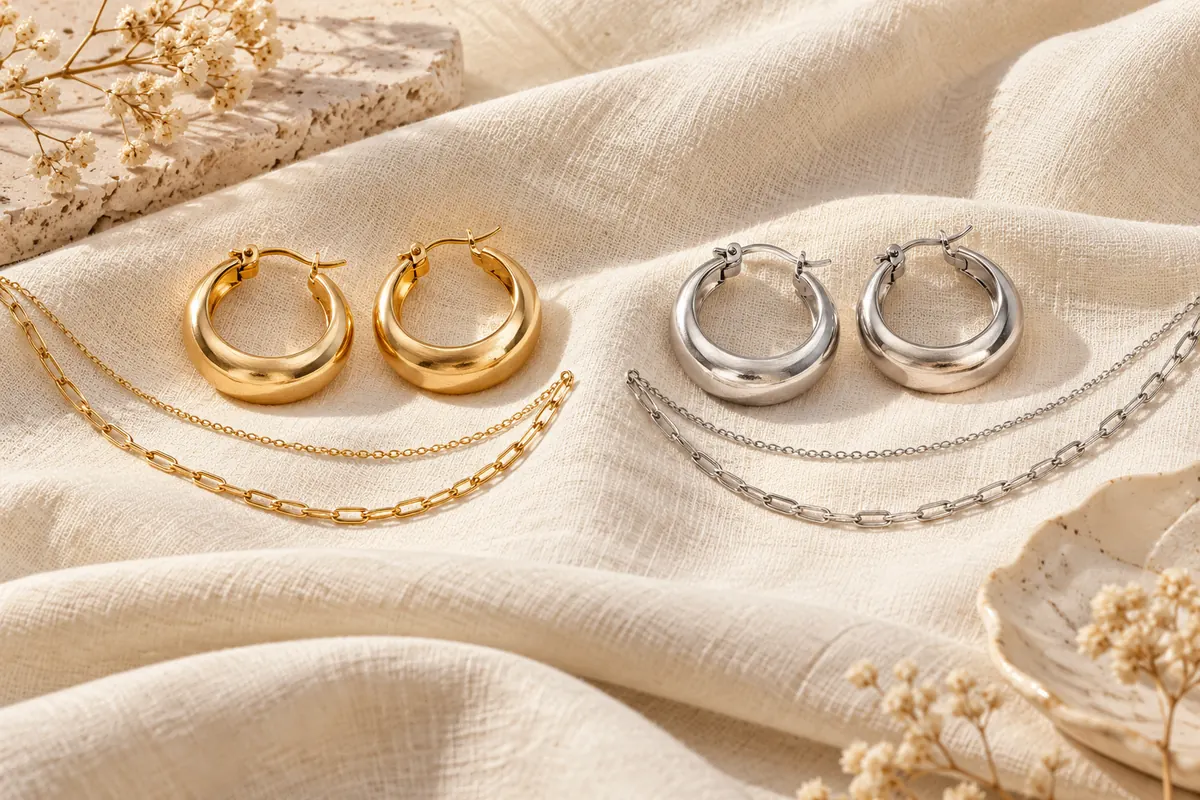
Enjoying both silver-colored and gold-colored pieces is a useful accessory preference. It does not need to decide your entire wardrobe. Finish, size and design also influence which piece you like.
Test earrings near your face and rings on your hand. Our jewelry comparison guide includes a method for meaningful everyday pieces. You can keep mixed metals while exploring clothes.
Make a small palette from the results
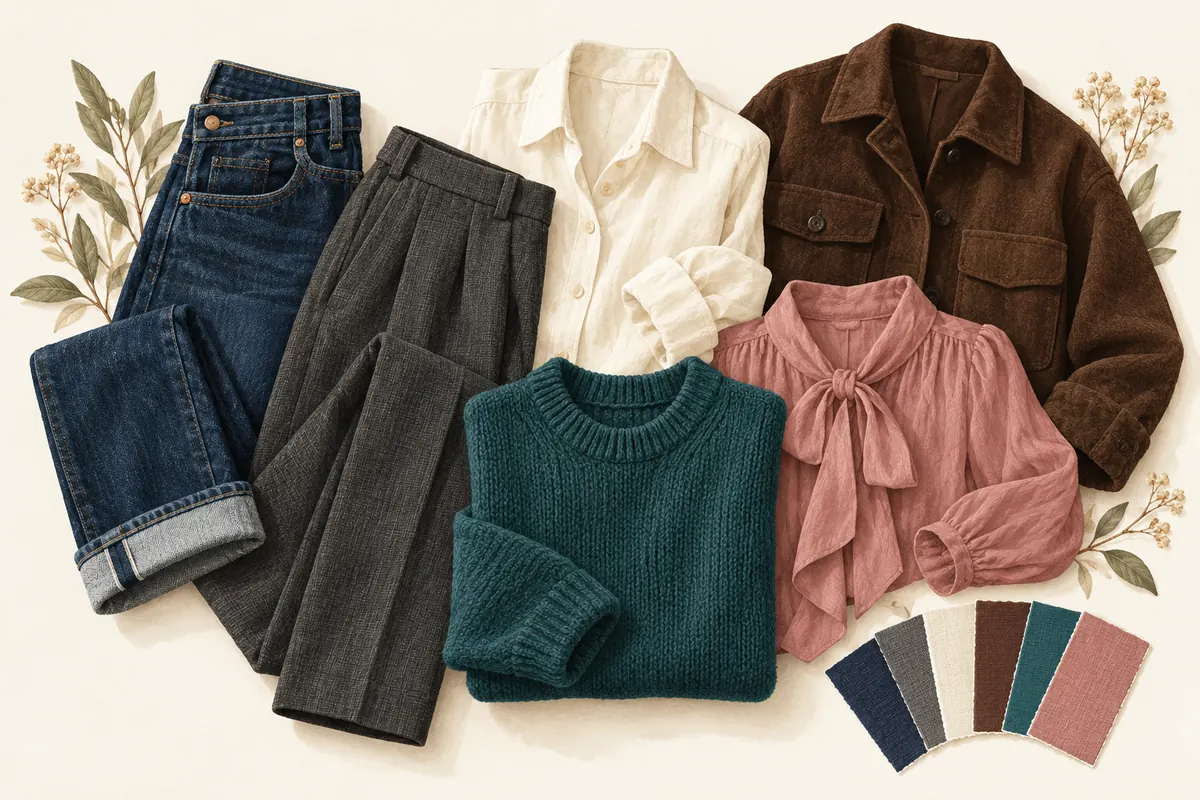
Choose two familiar neutrals, two colors you liked in the comparisons and one optional accent. Build three outfits from those five choices before buying more. For example, navy and stone could support dusty rose, teal and a small burgundy detail if you enjoy those combinations.
Write practical notes: “teal with navy for work,” “rose with stone for weekends.” If a seasonal framework later groups those preferences neatly, use it. If it does not, the outfits still work for you. See our wardrobe palette guide for turning the shortlist into repeat outfits.
Common questions
Do neutral undertones mean every color will suit me equally?
No single label has to predict your preference for every garment. Depth, intensity, texture and the whole outfit can change what you enjoy.
Can I use a seasonal palette while unsure of my undertone?
Yes. Use it as a shortlist of colors to try, then keep the combinations you enjoy. You do not need certainty before getting dressed.
Sources & further reading
Sources checked October 29, 2026. Comparisons and outfit exercises are our editorial styling suggestions. Seasonal frameworks are tools for exploring preferences. Sources have not endorsed this article or our app.
Published by the developer of Stylist AI. Our editorial approach · Suggest a correction
← Back to the journal